
Our clinic
Our dental clinic in Turkey: what to expect and how to choose
Our dental clinic in Turkey plans every treatment around an in-person examination, imaging and a written, itemised plan. This page explains what we offer, how we plan care for international patients, and the licences, safety practices and records you should check before choosing any clinic.
Take a look around
Inside Hollywood Smile Clinic
The clinic is laid out to feel calm from the moment you arrive. A double-height entrance opens onto the reception lounge, where you can sit down with your coordinator, go through your paperwork and ask questions before anything clinical begins.
Treatment takes place in separate, enclosed rooms off a quiet corridor rather than in open bays, so your consultation stays private. Each room has a wall-mounted screen, which lets your dentist go through your X-rays and your written plan with you from the chair.
Between appointments there is a seated waiting area with a coffee corner. Longer visits, such as a smile design fitting, usually involve some waiting while work is prepared, and anyone travelling with you is welcome to wait there.
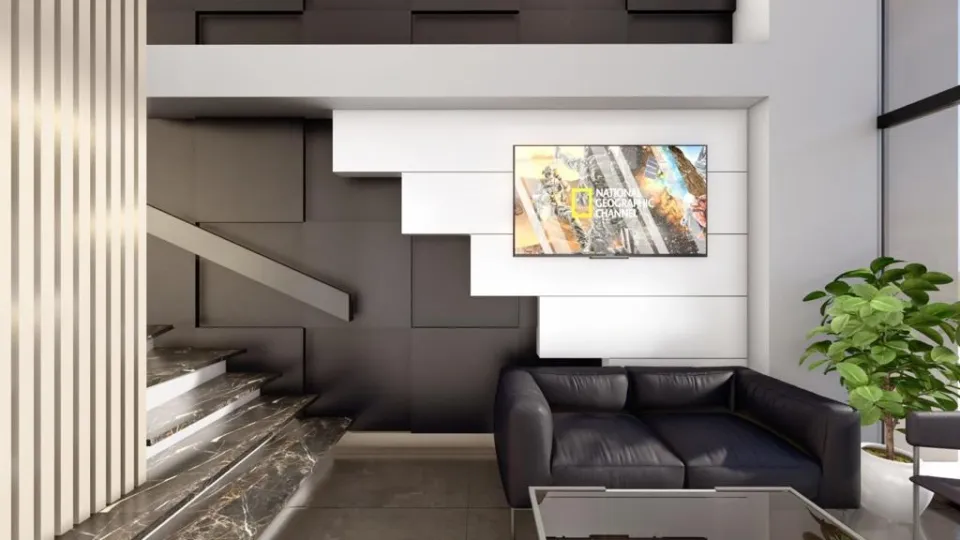

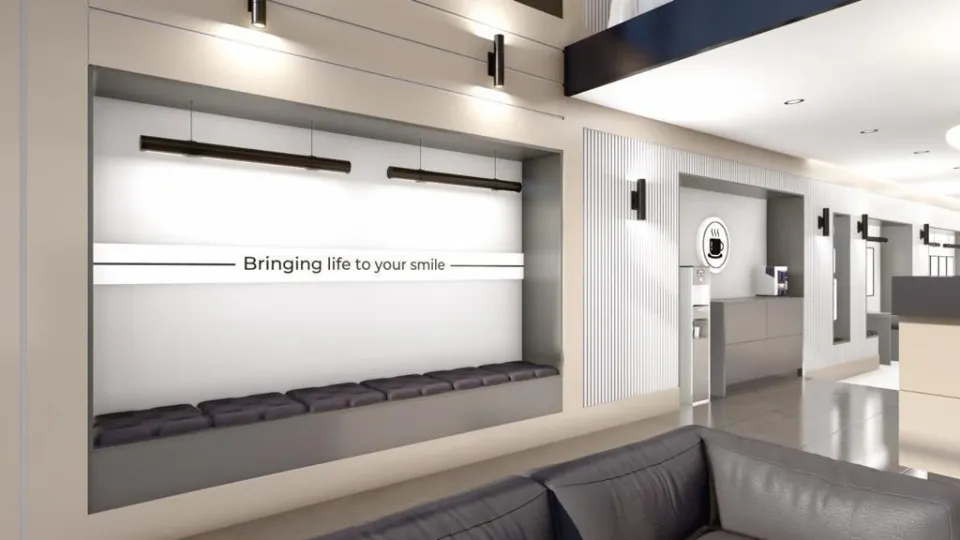
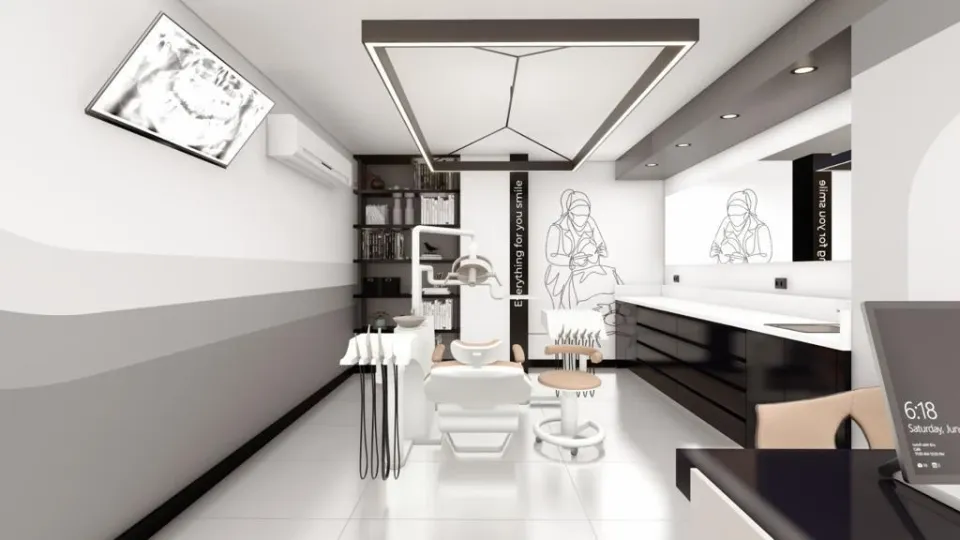
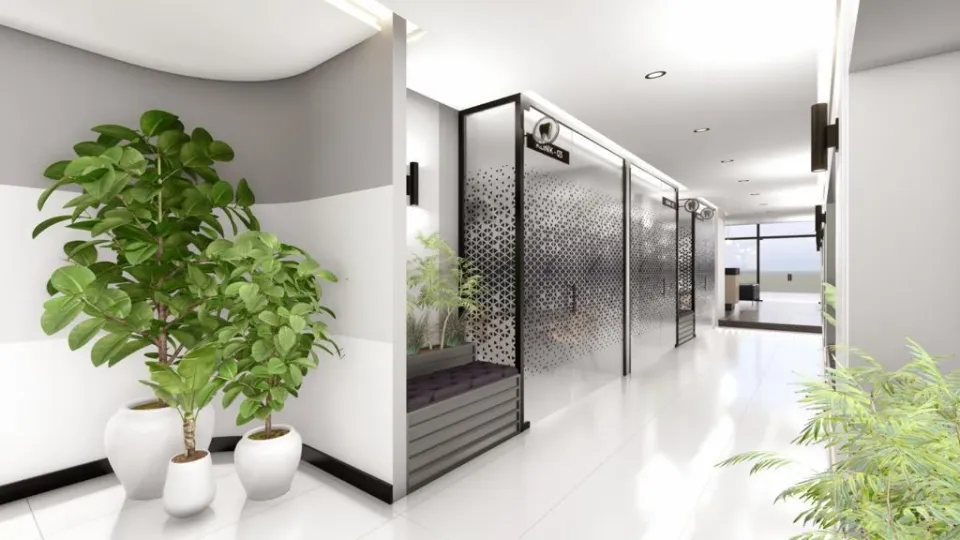
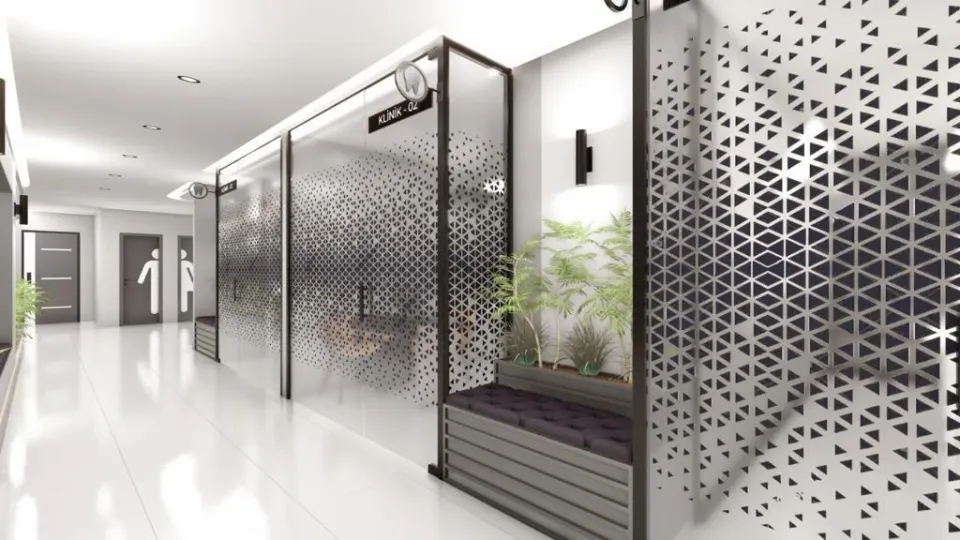


Interior design views of the clinic.
Clinic details are being verified
The clinical team
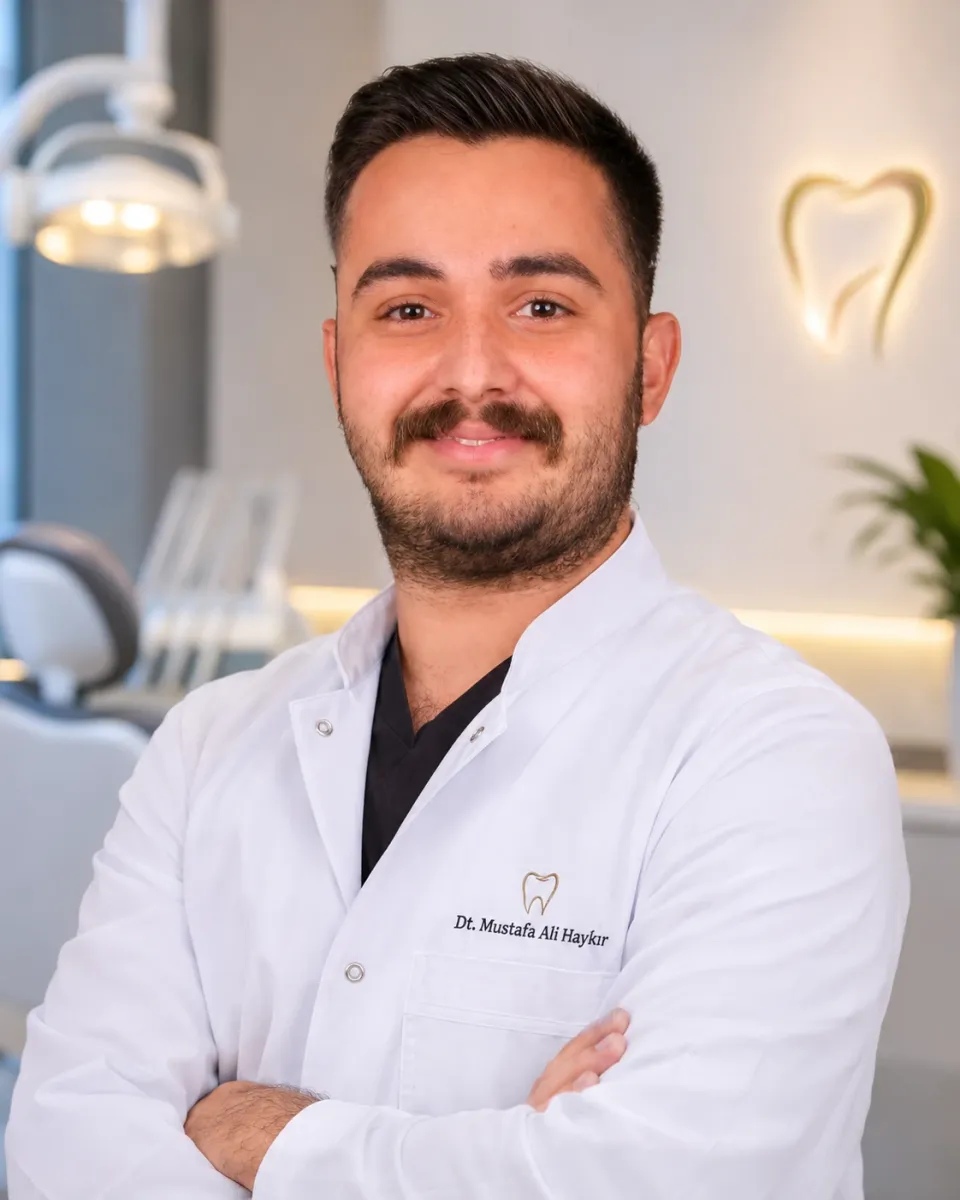
Dt. Mustafa Ali Haykır
Dentist — aesthetic dentistry and smile design · Dentist — İstanbul Medipol University, Faculty of Dentistry
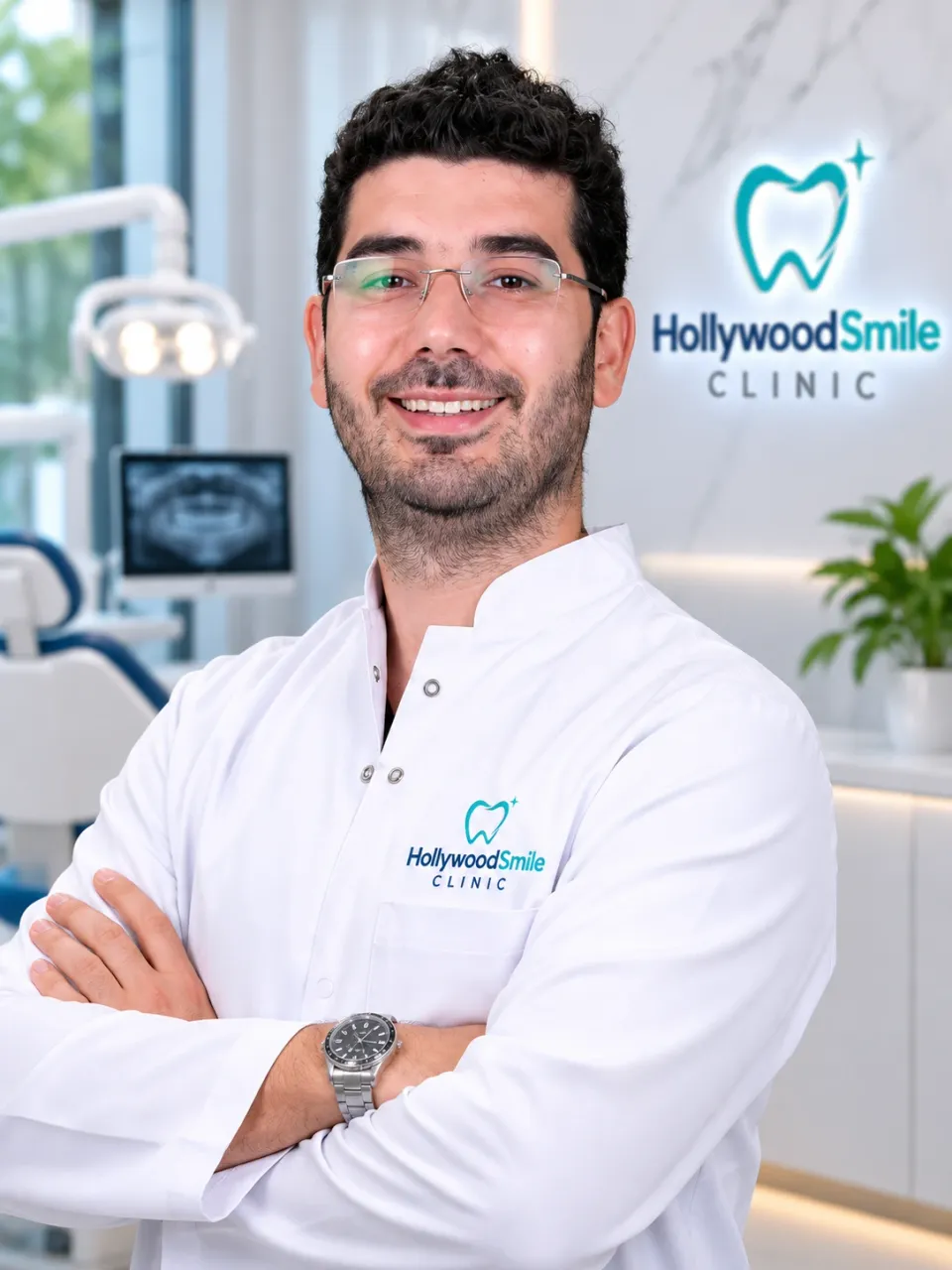
Dt. Burak Arslanoğlu
Dentist — aesthetic dentistry, smile design and implant-related care · Dentist — İstanbul University, Faculty of Dentistry (graduated 2010)
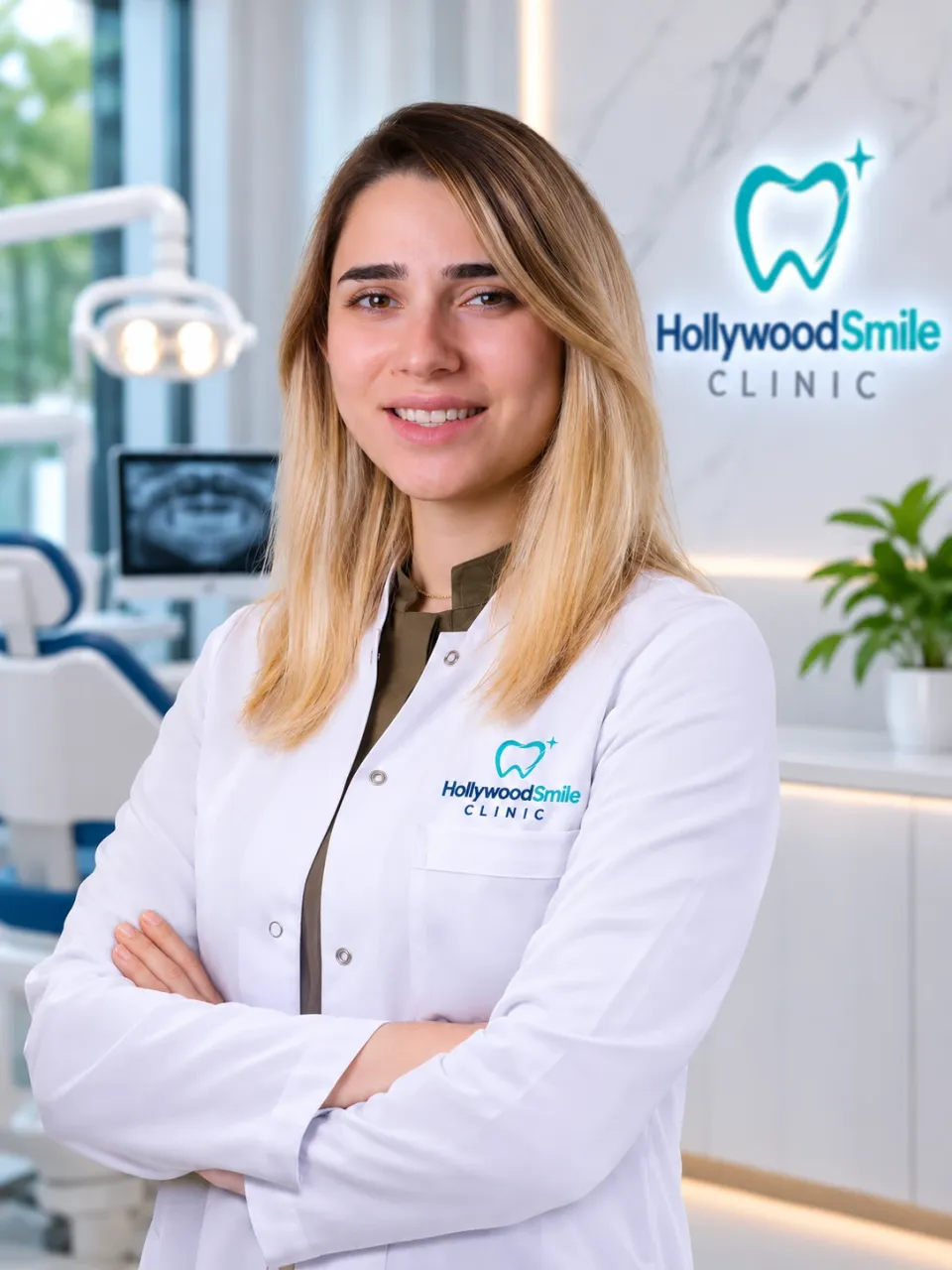
Dt. Yağmur Çömlekçioğlu
Dentist — aesthetic dentistry and implant-related care · Dentist — İstanbul University, Faculty of Dentistry


A good dental clinic in Turkey should be able to show you, in writing, who it is, which Ministry of Health licence it operates under, who will treat you and exactly what your treatment involves. Our clinic in Istanbul plans every treatment around an in-person examination and imaging, and gives you an itemised written plan before you consent to anything.
This page explains what to expect from us: the treatments we offer, how we plan care for patients travelling from abroad, how coordination and communication work, and the safety practices you should expect from any clinic. It also gives you a practical checklist, red flags and questions to ask, so that you can compare us fairly with other options — including staying at home.
Verified clinic details, such as the registered name, licence information and address, are shown alongside this text once the owner has confirmed them. Until then, nothing on this page should be read as a claim about a specific registration; treat it as a description of what you are entitled to ask for.
Key takeaways
- A dental clinic in Turkey must hold a licence and an activity permit issued under the Ministry of Health regulation for private oral and dental health institutions; ask to see both.
- Clinics that treat international patients must also hold an international health tourism authorisation certificate under the 2025 health tourism regulation.
- No final plan should be fixed before a dentist has examined you in person and reviewed current X-rays or scans.
- You should receive a written, itemised treatment plan, the risks and alternatives, and a consent form you understand, with time to ask questions.
- Ask for copies of your records — X-rays, materials used, implant system details — before you fly home.
- Know in advance how aftercare, remakes and complications are handled, and who pays for any return travel.
- Coordinators help with logistics and communication; clinical decisions are made by the treating dentist with you.
What is a dental clinic in Turkey, legally speaking?
A dental clinic in Turkey is a private health institution licensed to provide oral and dental care under rules set by the Turkish Ministry of Health. The current rules are set out in the Regulation on Private Health Institutions Providing Oral and Dental Health Services, published in the Official Gazette (Resmî Gazete) on 6 October 2022 and amended since. The regulation defines several types of private dental facility, each with different minimum standards.
Understanding these types helps you read a clinic's paperwork. A single dentist's surgery is a different legal entity from a large oral and dental health centre, and the services each may provide differ — for example, sedation and general anaesthesia are not permitted in a single-dentist practice or a polyclinic under the 2022 text.
| Facility type (Turkish term) | Who may own it | Key requirements under the 2022 regulation | What it means for you |
|---|---|---|---|
| Dental practice (muayenehane) | A single dentist | Minimum room sizes; one dental unit per room; no sedation or general anaesthesia | Suitable for routine and many restorative treatments; complex surgery under sedation must happen elsewhere |
| Polyclinic (poliklinik) | A company owned by one or more dentists | At least two examination rooms and a dental radiology unit; no sedation or general anaesthesia | Common for cosmetic and restorative work; ask where any sedation would take place |
| Oral and dental health centre (ağız ve diş sağlığı merkezi) | A company in which dentists hold the majority | Larger premises, at least ten examination rooms, a sterilisation unit, a radiology unit, a general anaesthesia unit and an observation unit | Can offer a wider range of procedures, including those needing deeper anaesthesia |
| Dental hospital | A company | The largest category, with more rooms, sterilisation, radiology, general anaesthesia and observation beds | Hospital-level facilities for complex cases |
The regulation is detailed and changes over time, so treat this table as orientation rather than legal advice. What matters most is that the clinic can name its facility type and show its licence (ruhsat) and activity permit (faaliyet izin belgesi). Under the 2022 text, a facility may start operating only once the provincial health directorate has issued the activity permit.
Which treatments does our dental clinic in Turkey offer?
Our clinic offers treatment across ten areas of dentistry, from cosmetic smile design to children's care. Each treatment page explains who it suits, who it does not suit, the risks, the alternatives and what the planning involves. If you are unsure where to start, the overview of all dental treatments in Turkey groups them by goal.
Cosmetic dentistry
Cosmetic treatment changes the colour, shape, size or alignment of teeth and the gum line. It ranges from conservative options such as whitening to extensive work such as a full set of veneers.
- Hollywood smile — a planned smile makeover, usually combining several treatments, designed around your face rather than a template.
- Veneers in Turkey — thin porcelain or composite facings bonded to the front of teeth.
- Teeth whitening — lightening natural tooth colour with professionally supervised bleaching.
- Gum contouring — reshaping the gum line to correct a gummy or uneven smile.
Restorative dentistry and implants
Restorative dentistry repairs or replaces damaged and missing teeth so that you can eat, speak and smile comfortably. These treatments often need the most careful planning because they involve the bite, the gums and the bone.
- Dental crowns in Turkey — full-coverage caps for weakened or heavily restored teeth.
- Dental implants in Turkey — titanium or ceramic fixtures that replace tooth roots.
- All-on-4® and full-arch implants — a fixed arch of teeth supported by a small number of implants (All-on-4® is a brand of Nobel Biocare).
- Dental bridges — replacing one or more missing teeth by anchoring to neighbouring teeth or implants.
- Root canal treatment — treating infected or inflamed pulp to save a tooth.
- Inlays and onlays — laboratory-made partial restorations that conserve more tooth than a crown.
- Dentures — removable full or partial replacement teeth, including implant-retained options.
- Tooth-coloured fillings — composite restorations for decay and small fractures.
- Full mouth reconstruction — a staged rebuild of most or all teeth, often involving several specialists.
Orthodontics and clear aligners
- Invisalign® and clear aligners — removable aligners that move teeth gradually (Invisalign® is a brand of Align Technology). Aligners can also be used to improve alignment before veneers, sometimes reducing how much tooth needs preparing.
TMJ, bite and facial therapy
Jaw-joint and bite problems can affect comfort, tooth wear and the long-term success of cosmetic work. We assess the bite before planning any major restorative or cosmetic treatment.
- TMJ and bite therapy — assessment and conservative management of jaw-joint and muscle problems.
- EMFACE® for TMJ — a device-based approach (EMFACE® is a brand of BTL); the evidence for jaw-joint use is limited, and the treatment page explains what is and is not established.
- Jaw tension relief — options for clenching and muscle tension.
- EMFACE® aesthetics — non-invasive facial muscle and skin treatment.
Sleep and airway health
- Sleep and airway health — how dentists contribute to the management of snoring and sleep-disordered breathing alongside medical teams.
- Oral appliances for sleep — custom devices that hold the lower jaw forward, used after a medical sleep diagnosis.
- Airway assessment — a dental screening that may prompt referral for medical sleep testing.
Gum health, hygiene and wellness
- Gum disease treatment — deep cleaning and periodontal therapy, which must come before most cosmetic or implant work.
- The Mouth Spa — a comfort-focused hygiene and cleaning visit.
- Laser and light therapies — laser-assisted procedures used where they offer a clear benefit.
- Red light gum therapy — an adjunct whose evidence is still emerging; the page explains its limits honestly.
Holistic dentistry
- Holistic dentistry — minimally invasive, whole-person planning, with clear separation between established evidence and wellness claims.
- Oral microbiome and salivary testing — what these tests can and cannot tell you.
- Safe amalgam filling removal — protective protocols when amalgam needs replacing for clinical reasons, alongside the mainstream position that sound amalgam fillings are safe for most people.
Diagnostics and planning
- Mouth mapping — a structured, tooth-by-tooth assessment that underpins every treatment plan.
Oral surgery
- Wisdom teeth removal
- Oral surgery and extractions
- Emergency dental care — for visitors with toothache, swelling or broken restorations while in Istanbul.
Kids and family dentistry
- Kids dentistry — preventive and gentle restorative care for children, usually for families already in Istanbul.
Offering a treatment does not mean it is right for you. Some patients who ask for veneers are better served by whitening, orthodontics or bonding; some who ask for implants need gum treatment first. A responsible plan starts with what your mouth needs, not with what was in the enquiry.
How do we plan treatment for international patients?
Planning treatment for someone who lives abroad is different from planning for a local patient. You have limited days in Istanbul, you cannot easily pop back for a check, and your dentist at home may need to take over afterwards. Our planning process is built around those constraints. The full step-by-step version is in our guide to dental treatment in Turkey; here is how it works at our clinic.
1. Enquiry and preliminary information
You tell us what you would like to change and what is bothering you. A coordinator replies using the contact method you chose and may ask for photographs of your smile and any recent X-rays. At this stage you should keep your message general — the enquiry form is not the place for detailed medical history. Secure channels are used later for records.
2. Preliminary review by a dentist
A dentist reviews your photographs and any X-rays and outlines possible options. This preliminary opinion is useful for deciding whether to travel, but it is not a diagnosis. Photos cannot show decay between teeth, the health of roots or the amount of bone available for implants. Any number of teeth or type of restoration suggested at this stage is provisional.
3. Provisional plan and trip length
You receive a provisional plan that lists the likely treatments, the number of visits and the minimum days you would need to stay. For laboratory-made work such as crowns and veneers this usually includes time for temporaries, try-ins and adjustments. For implants it may mean two trips separated by a healing period. The trip length planner gives you a realistic starting point.
4. In-person examination and imaging
On your first day at the clinic, a dentist examines you, takes or reviews current X-rays and, where needed, a three-dimensional scan (cone-beam computed tomography, CBCT). The bite, the jaw joints, the gums and existing restorations are checked. This is the point at which the provisional plan is confirmed, changed or — sometimes — scaled back.
5. Written treatment plan and consent
You receive the final plan in writing: each procedure, the teeth involved, the materials, the number of appointments, the alternatives and the risks, with itemised costs. You should have time to read it, ask questions and decide. Declining or reducing treatment at this stage is always acceptable.
6. Treatment, review and records
Treatment follows the agreed sequence. Before you fly home, the dentist checks fit, bite and comfort and gives you written aftercare instructions. You should leave with copies of your records — see the section on records below.
7. Follow-up after you return home
We stay in contact after you leave. Our aftercare guidance explains what is normal, what is not and when to seek help. We also recommend that you keep a dentist at home for routine check-ups and urgent problems.
What safety standards should a dental clinic in Turkey meet?
Safety in a dental clinic is the combination of legal authorisation, trained people, reliable infection control, appropriate imaging and honest consent. The sections below describe what Turkish regulation requires and what good practice looks like, framed as things you can check. We encourage you to ask us — and any other clinic — for evidence of each one.
Ministry of Health licence and activity permit
Under the 2022 regulation, a private dental facility needs a licence after an on-site inspection, and an activity permit from the provincial health directorate before it may operate. For centres and hospitals the licence is issued by the Ministry; for practices and polyclinics by the provincial governorate. Facilities are inspected at least once a year under the same regulation.
What to check: ask for the facility's registered name, its facility type, the licence and activity permit details and the name of the province that issued them. The name on the paperwork should match the name on your treatment plan and invoice.
A responsible manager
The regulation requires each private dental facility to have a responsible manager (mesul müdür) — a dentist who holds primary responsibility for the facility's operation and inspections. What to check: ask who the responsible manager is and whether they will be involved in or oversee your care.
International health tourism authorisation
The Regulation on International Health Tourism and the Health of Tourists, published in the Official Gazette on 26 April 2025, makes an authorisation certificate (yetki belgesi) compulsory for health facilities that provide services to international health tourists. The certificate is issued by the Ministry of Health for facilities and cannot be transferred to another business. The same regulation requires an international health tourism unit with at least one staff member whose foreign-language skill is certified, and complication insurance for surgical and interventional procedures performed in an operating room.
What to check: ask whether the clinic holds the international health tourism authorisation in its own name, and — if you are booking through an agency or facilitator — whether that intermediary holds its own authorisation, which is issued by USHAŞ (the state health tourism company). Ask what the complication insurance covers, and whether it applies to your planned procedures.
Itemised invoices
The 2025 regulation requires facilities to issue an invoice or receipt with a detailed breakdown of services and unit prices, and, on request, to provide a list of drugs and materials used and copies of laboratory and radiology results free of charge. What to check: make sure your quote and final invoice name each procedure and tooth, and that any package elements (accommodation, transfers) are listed separately.
How should sterilisation and infection control work?
Infection control is the set of routines that stop germs passing between patients and staff. The US Centers for Disease Control and Prevention (CDC) describes Standard Precautions as the foundation of infection prevention in every dental setting, and lists failures such as not heat-sterilising handpieces between patients and not monitoring sterilisers with spore tests among the lapses that have been reported.
Under the Turkish 2022 regulation, oral and dental health centres and dental hospitals must have a sterilisation unit (or outsource sterilisation), with separated dirty and clean areas. Smaller facilities must still sterilise instruments safely.
You will not be able to audit a sterilisation room yourself, but you can notice and ask:
- Are instruments opened from sealed sterilisation pouches in front of you?
- Are handpieces (the drills) changed and heat-sterilised between patients?
- Are gloves changed between patients, and are surfaces covered or wiped down?
- Does the clinic use single-use items such as needles, suction tips and anaesthetic cartridges once only?
- How does the clinic check that its sterilisers are working (for example, with biological indicator or spore testing)?
- Who is responsible for infection control, and is there a written protocol?
A confident clinic will answer these questions plainly. Vague answers, or annoyance at being asked, are worth noting.
What imaging and diagnostics should you expect?
Dental imaging is the use of X-rays and scans to see what cannot be seen in the mouth: decay between teeth, infection at the root tips, bone levels and the position of nerves and sinuses. No responsible implant, crown or veneer plan is finalised without it.
The 2022 regulation states that dental X-ray equipment falls under Turkey's radiation safety law and needs a licence from the Nuclear Regulatory Authority (NDK). Polyclinics, centres and hospitals must have a dental radiology unit.
| Imaging type | What it shows | When it is typically used |
|---|---|---|
| Bitewing and periapical X-rays | Decay between teeth, root tips, existing fillings and crowns | Before fillings, crowns, veneers and root canal treatment |
| Panoramic X-ray (OPG) | An overview of all teeth, jaws, wisdom teeth and sinuses | Initial assessment, wisdom teeth, full-mouth planning |
| Cone-beam CT (CBCT) | Three-dimensional bone volume, nerve and sinus positions | Implant planning, complex extractions, some root canal cases |
| Intraoral scan | A digital model of teeth and bite (no radiation) | Smile design, aligners, digital impressions for crowns and veneers |
| Clinical photographs | Tooth shade, smile line, face–tooth relationship | Cosmetic planning and documentation |
What to check: ask which images the dentist needs and why, whether recent X-rays from home can be used to avoid repeat exposure, and whether you will receive digital copies to take home.
What does informed consent look like at a good clinic?
Informed consent is your agreement to a treatment after you have understood what it involves, its benefits, its risks, the alternatives (including doing nothing) and the costs. The 2022 Turkish regulation requires a consent form for procedures, and it requires centres and hospitals to have a patient rights unit.
A signature alone is not consent. Good consent has these features:
- It is given before treatment starts, not in the chair with the drill in view.
- It is in a language you understand, with an interpreter if needed.
- It names the teeth, the procedure and the materials, not a vague package.
- It explains irreversible steps — for example, that preparing teeth for veneers or crowns removes enamel that cannot be replaced.
- It covers realistic risks, such as sensitivity, nerve problems, implant failure or the need for future replacement.
- It lists alternatives, including less invasive ones.
- It leaves you free to say no, ask for time or reduce the plan.
The UK General Dental Council (GDC) advises patients considering treatment abroad not to commit on the same day if they are not satisfied with the answers they receive. We agree, and build time into the plan for you to think.
Which records should you take home?
Your dental records are the clinical notes, images and laboratory details that describe what was done to your teeth. Under the 2022 regulation, Turkish dental facilities must keep electronic patient records — including diagnoses and X-ray records linked to tooth numbers — in a Ministry-registered system, and process them under Turkey's personal data protection law (KVKK, Law No. 6698).
The Australian Dental Association notes that missing records are one of the problems dentists face when they later need to repair or continue overseas treatment. To avoid that, ask for:
- Copies of all X-rays and scans taken, in a standard digital format.
- A treatment summary listing each tooth treated and what was done.
- Materials used for crowns, veneers and bridges (for example, zirconia or lithium disilicate) and the laboratory that made them.
- For implants: the implant system, diameter, length and the components used, so another dentist can source compatible parts.
- Medicines prescribed and any allergies or reactions noted.
- Written aftercare instructions and the clinic's contact route for problems.
How do you choose a dental clinic in Turkey?
Choosing a dental clinic in Turkey is mostly about verifying a small number of facts and judging how openly a clinic communicates. Price matters, but a low quote with unclear inclusions can become expensive if work needs redoing. The checklist below works for any clinic, including ours.
A practical checklist
- Legal identity. Get the clinic's registered name, facility type and licence details. Make sure the same name appears on the plan, the consent form and the invoice.
- Health tourism authorisation. Ask whether the clinic (and any agency you are dealing with) holds the authorisation certificate required for treating international patients.
- The treating dentist. Ask who will examine you, who will do each procedure and what their qualifications are. See our page on dentists in Turkey for how training, registration and specialist titles work.
- Examination before commitment. Confirm that the plan will be finalised only after an in-person examination and imaging.
- Itemised plan. Ask for a written plan listing each tooth and procedure, materials, appointments and costs, with alternatives.
- Timeline. Check that the number of days matches the work. Many crowns or veneers in a very short stay leave little room for adjustment.
- Aftercare and remakes. Ask what happens if something fails, chips or comes loose — at the clinic, and after you return home.
- Records. Confirm you will receive copies of images and a treatment summary.
- Complaints. Ask how complaints are handled and whether there is a written procedure, as the GDC suggests.
- Your dentist at home. Tell your own dentist about your plans; they know your history and can help if problems arise.
Red flags
- A firm number of veneers or crowns quoted from a selfie, with no X-rays requested.
- Pressure to pay a large deposit or sign on the day of your examination.
- Reluctance to name the treating dentist or the clinic's legal entity.
- Superlative marketing language, promises of perfect or everlasting results, or claims that a procedure involves no discomfort at all.
- Recommending crowns or veneers on healthy, straight teeth without discussing whitening, bonding or aligners.
- No mention of risks, or risks dismissed as "very rare" without explanation.
- Very short trips for extensive laboratory work, with no allowance for remakes.
- Before-and-after images with no consent statement, inconsistent lighting or signs of heavy editing — our guide to reading before-and-after photos explains what to look for.
- No clear answer about who pays for flights and accommodation if work needs redoing.
Green flags compared with red flags
| Topic | Reassuring sign | Warning sign |
|---|---|---|
| Assessment | Preliminary opinion clearly labelled as provisional | Final plan and number of teeth fixed from photos |
| Plan | Written, itemised, with alternatives and risks | A single package price with no breakdown |
| Dentists | Named dentists and verifiable qualifications | "Our expert team" with no names or credentials |
| Timeline | Days matched to laboratory and healing time | Extensive work squeezed into a minimal stay |
| Consent | Time to think; freedom to scale back | Signing on the day under time pressure |
| Aftercare | Written policy on remakes and complications | Verbal reassurance only |
| Records | Copies of images and materials provided | "We keep the records here" |
Questions to ask any dental clinic in Turkey
- What is your registered name, facility type and licence number, and which authority issued it?
- Do you hold the international health tourism authorisation certificate?
- Who will treat me, and what are their qualifications and specialist titles, if any?
- What will you need to confirm the plan, and could it change after the examination?
- What are the less invasive alternatives to what I have asked for?
- Which materials and laboratory will you use, and why?
- How many days do I need, and what happens if a restoration needs remaking during my stay?
- What is your policy if something fails after I return home?
- What does your complication insurance cover?
- Will I receive copies of my X-rays and a written treatment summary?
- How do I contact you after treatment, and how quickly do you reply?
Is a dental clinic in Istanbul a good choice for you?
Travelling to a dental clinic in Istanbul can make sense for some patients and not for others. It helps to be honest about both sides before you book anything.
Reasons patients choose Turkey
- Cost structure. Clinic overheads, laboratory costs and wages are generally lower than in the UK, Ireland, the USA or Australia, and exchange rates often work in visitors' favour. Our dental prices hub shows sourced, dated prices, and the dental savings calculator lets you compare with home.
- Access. Some patients face long waits or limited availability of cosmetic or implant treatment at home.
- Travel. Istanbul has frequent direct flights from many European cities. See our guide to travelling to Turkey for dental treatment.
- Concentrated treatment. Several appointments can be grouped into one or two trips.
Reasons to think twice
- Complications may appear weeks or years after you return, when the clinic is far away. The Australian Dental Association notes that outcomes may not become apparent for some time after treatment.
- Travel insurance usually excludes planned treatment and its complications.
- Your dentist at home may be reluctant to adjust or repair work done elsewhere, particularly if records are missing.
- Extensive treatment needs rest and recovery time; a holiday atmosphere can tempt people to compress it.
- The total cost includes flights, accommodation, time off work and possibly a second trip. The dental trip budget calculator helps you add these up.
The American Dental Association's MouthHealthy site suggests arranging follow-up care with a dentist at home before you travel. The GDC suggests speaking to your own dentist first. We think both are sensible, and we are happy to share records with your home dentist with your permission.
How does patient coordination work?
A patient coordinator is a non-clinical team member who looks after the practical side of your treatment: communication, scheduling, documents and logistics. Coordinators are often the first person you speak to, and they stay in contact with you before, during and after your visit.
What coordinators do
- Reply to your enquiry using your preferred contact method (email, phone or WhatsApp).
- Explain what photographs and records the dentist needs and how to send them securely.
- Pass your questions to the dentist and relay the answers accurately.
- Schedule appointments around your flights, and adjust them if the plan changes.
- Help with practical questions about getting to the clinic and planning your stay.
- Keep in touch after you return home and arrange follow-up if you have a concern.
What coordinators do not do
- They do not diagnose, decide how many teeth need treatment or choose materials. Those are clinical decisions made by the dentist with you.
- They should not pressure you into booking or into a larger plan. If you ever feel pushed, tell us.
- They do not replace a clinical conversation. If you have a question about risks or alternatives, ask to speak to the dentist.
Any travel or accommodation arrangements are confirmed in writing as part of your plan; they are not assumed to be included unless your quote says so.
How do languages and communication work?
Clear communication is a safety issue. A misunderstanding about shade, shape or the number of teeth can lead to a result you did not want; a misunderstanding about aftercare can lead to a complication. The 2025 health tourism regulation requires authorised facilities to have at least one staff member with a certified foreign language in their international patient unit.
Our approach is simple:
- We communicate in English, and can discuss interpreter support for other languages when you enquire.
- Key documents — your plan, consent form and aftercare instructions — should be in a language you understand. If anything is unclear, ask before you sign.
- We encourage you to repeat back important points ("So I will have eight veneers on the upper teeth, and two days of temporaries?") and to bring a written list of questions.
- Smile design is visual. Photographs, digital mock-ups and trial smiles reduce the risk of words meaning different things to different people.
- After you return home, you can contact us in writing, so there is a record of what was asked and answered.
What should you ask about aftercare?
Aftercare is everything that happens after treatment: healing, check-ups, adjustments and the handling of problems. It is the area where dental tourism most often goes wrong, so it deserves specific questions before you book. Our general dental treatment aftercare guide covers what to expect in the days and weeks afterwards.
Policy questions to ask before you travel
- What checks happen before I fly home, and what if my bite feels wrong on the last day?
- If a crown or veneer comes loose or chips after I return, what happens? Who pays for the repair, travel and accommodation?
- If an implant fails to integrate, what is the plan and what will it cost me?
- Are any remedial treatments covered, and for how long? Is this written down?
- Can my dentist at home contact the clinic directly, and will you share records with them?
- What should I do in an emergency outside your working hours?
- Is there a recommended review visit — for example, after implant healing — and is it included in the plan?
We describe our aftercare arrangements in your written treatment plan rather than in general marketing, because the right arrangement depends on the treatment. If a clinic offers a warranty or guarantee, ask for the exact terms in writing: what is covered, for how long, what conditions apply (such as attending check-ups or wearing a night guard) and whether travel costs are included.
Common misconceptions about dental clinics in Turkey
"All clinics in Turkey are the same"
They are not. Facility types, staffing, laboratory partners and policies vary widely. The only way to compare is to verify specifics and read the written plan.
"A quote from photos is a final price"
A photo-based quote is a provisional estimate. Hidden decay, gum disease or root problems can change the plan. Expect the final plan after the examination.
"More teeth treated means a better smile"
Not necessarily. The number of veneers or crowns that suits you depends on your smile line, tooth colour and alignment. The how many veneers do I need tool explains the factors.
"If something goes wrong, my dentist at home will fix it for free"
Home dentists are not obliged to repair overseas work at no charge, and may not have the parts or records needed. Plan for this possibility.
"Holiday and treatment can be combined freely"
Some activities — swimming after surgery, heavy drinking, sunbathing with fresh sutures — can interfere with healing. Plan rest days, especially after implants or extractions.
Where will you see our verified clinic details?
This website separates editorial copy from verified facts. Details such as the clinic's registered legal name, facility type, licence information, address and dentist profiles are entered and confirmed by the clinic owner and appear in the clinic information panel alongside this page once verified. If you cannot see a detail you need, ask a coordinator for it in writing before you book. You are entitled to that information, and a clinic that will not provide it is not one we would recommend — including us.
Our about us page explains how this website is written and reviewed, and why every price on it is sourced and dated.
What happens next?
If you would like a provisional opinion, you can request a personalised dental assessment. Send clear photographs and any recent X-rays when a coordinator asks for them, and tell us what you hope to change. A dentist will review them and outline possible options, with an honest view on whether travelling for treatment makes sense for you. There is no obligation to proceed, and you can ask as many questions as you need before deciding.
Questions
Frequently asked questions
Straight answers to what patients ask us most. Can’t find yours?
Ask a coordinatorIs it safe to go to a dental clinic in Turkey?
It can be, if the clinic is properly licensed, examines you in person, gives you a written plan with risks and alternatives, and has a clear aftercare policy. Verify the licence and health tourism authorisation, and speak to your own dentist before you travel.
How do I check a dental clinic’s licence in Turkey?
Ask for the registered name, facility type, licence and activity permit details and the authority that issued them. Make sure the same legal name appears on your plan and invoice. See the checklist on this page.
Can you give me a final price from photos?
No. We can give a provisional estimate, but the final plan and itemised costs are confirmed only after an in-person examination and imaging. See our dental prices for sourced price ranges.
Do you share records with my dentist at home?
Yes, with your permission. We recommend you take copies of X-rays, a treatment summary and material details home with you.
Who decides what treatment I need?
The treating dentist, together with you, after examining you. Coordinators help with logistics and communication but do not make clinical decisions.
What if I change my mind after the examination?
You can decline, delay or reduce treatment after seeing the final plan. Ask about any deposit terms in writing before you travel.
Sources
- Republic of Türkiye Ministry of Health — Resmî Gazete. Ağız ve Diş Sağlığı Hizmeti Sunulan Özel Sağlık Kuruluşları Hakkında Yönetmelik (Official Gazette No. 31975, 6 October 2022) — checked 12 November 2026
- Republic of Türkiye Ministry of Health — Resmî Gazete. Uluslararası Sağlık Turizmi ve Turistin Sağlığı Hakkında Yönetmelik (Official Gazette No. 32882, 26 April 2025) — checked 12 November 2026
- General Dental Council (UK). Going abroad for dental treatment — checked 12 November 2026
- Australian Dental Association. Policy Statement 2.2.6 – Elective Overseas Dental Treatment — checked 12 November 2026
- Centers for Disease Control and Prevention. Summary of Infection Prevention Practices in Dental Settings — checked 12 November 2026
- American Dental Association (MouthHealthy). Travel and dental care — checked 12 November 2026
Not sure which option fits you?
Start with a personalised assessment — no obligation.
Get a Personalized Dental AssessmentA free assessment is not a guarantee of suitability or an appointment. Final treatment suitability and costs depend on an individual clinical examination.